
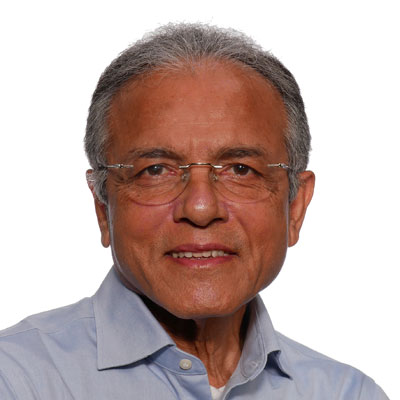
Swarup Sarkar
MD MS
Affiliation(s)
Senior Researcher; University of Gothenburg, Sweden; Ambassador, Global Health Security Network, Sydney, Australia; Ex CG Pandit National Chair, Indian Council of Medical Research and Ex Director / Senior Adviser WHO, UNAIDS, UNITAID, GFATM, ADB and CARE International
Title
Kaleidoscopic views of person-centred care: a global perspective of included and excluded populations
Abstract
Person-centred care is possible only when people are meaningfully included and when health services are available, accessible, affordable, and of assured quality. While these conditions are often unmet in many countries of the Global South, people in the Global North also experience exclusion for a variety of reasons, despite overall system capacity.
This keynote examines how these dynamics operate across both high-income and low- and middle-income settings, leading to the exclusion of individuals and groups. Failures arise at the macro level due to inadequate resources and weak regulatory frameworks, and extend to the micro level when service delivery mechanisms and service packages are designed without sufficient attention to peoples lived realities.
Creating an enabling environment—through the active involvement of communities and community-based organisations, particularly those representing marginalised populations—can help bridge the gaps between availability and accessibility, and between inclusion and exclusion. Drawing on both positive and negative lessons from past epidemic responses to COVID-19 and AIDS, this key note address makes the case for establishing a mandatory role for governments in funding and sustaining user-group initiatives, rather than relying on ad hoc or voluntary participation and feedback at individual level.
Community voices, representing coalitions of groups experiencing different forms of marginalisation and diverse lived experiences, must be supported and systematically integrated into planning, design, implementation, and service delivery at all levels. Evidence demonstrates that such approaches can be adapted to different political systems, levels of resource availability, and health-care delivery models.
Finally, the presentation highlights the critical need for real-time, disaggregated data—or appropriate proxy indicators—to make visible who receives services, when they receive them, and where gaps persist. Without these foundational elements, person-centred care remains a stated principle rather than a practical reality.
Bio
Distinguished epidemiologist and physician with extensive experience in global health and its role for marginalised population. Expert in formulating and leading health policies and programs, with a special focus on pandemic preparedness, outbreak control, and disease elimination. Highly skilled in integrating community insights into public health strategies and leadership curriculum development evidenced by key leadership advisory roles in various national and international health organizations, universities, UN agencies and civil society organisations. Award-winning contributions recognized by WHO and global health communities.




 Fotograf-Satu-Karmavalo